GLA 45 AMG: tHE fORGOTTEN hOT hatch
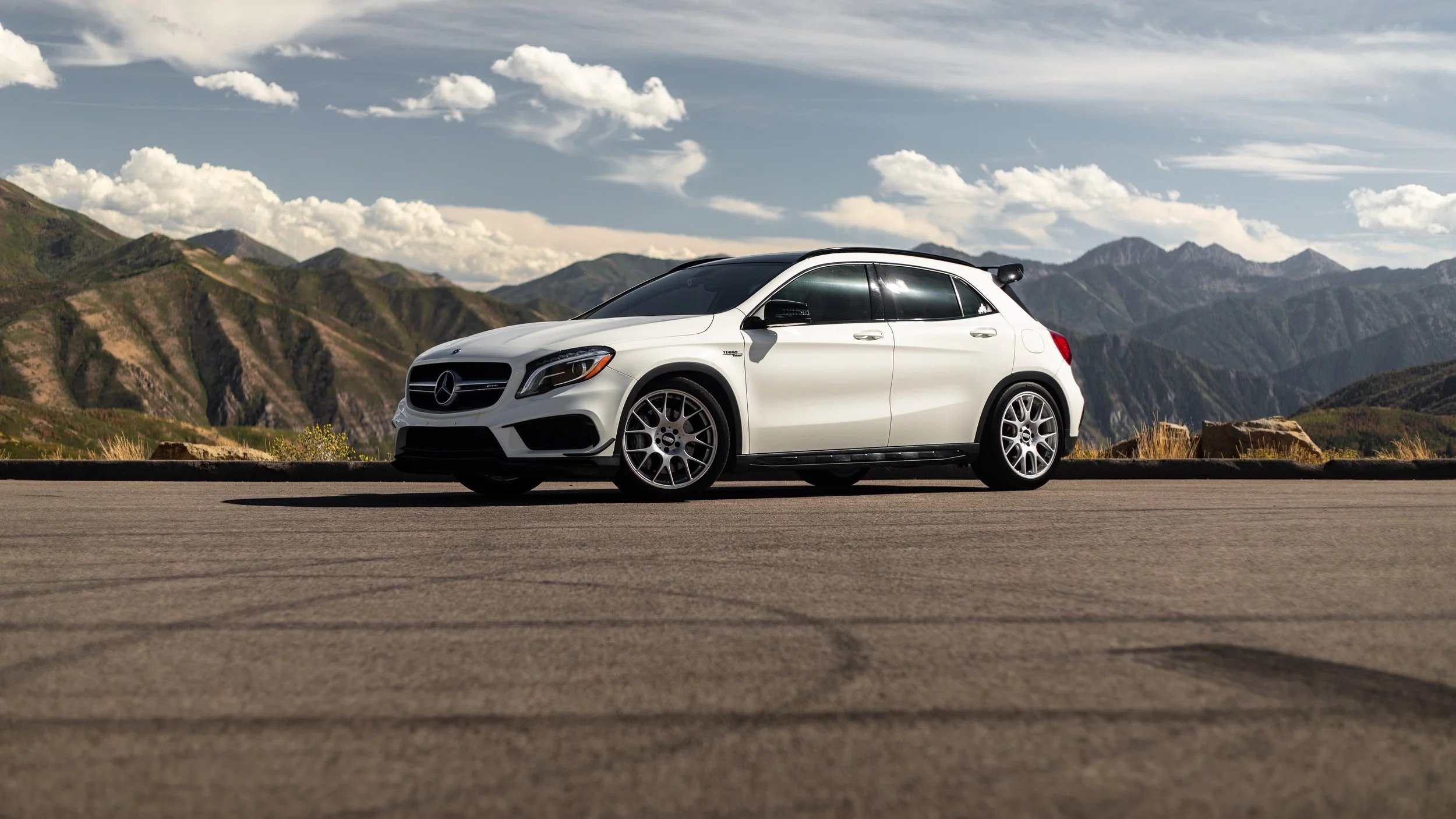
I am 10 years late to the discovery of the Mercedes-Benz GLA45 AMG “crossover”. The GLA45 fills quite the specific niche in the automotive market, especially in the year of 2025. The “45” version of the car is actually discontinued, and when the model debuted in 2015, it came with a hefty base MSRP coming in at a click over $50,000 USD. Wait a year, and that same lump of cash could have afforded you a base BMW M2, a Ford Focus RS with dealer markup, or a Shelby GT350 without that markup. It’s easy to understand why the car may not have been that successful. But fast-forward a decade, and plenty of these snorty hot hatches from the Three-Pointed-Star can be had for a fraction of that price. Seriously. Hop onto Autotempest.com (not yet sponsored) and set a hard limit of $20,000 and you’ll find at least a dozen options that will comfortably fit that budget.
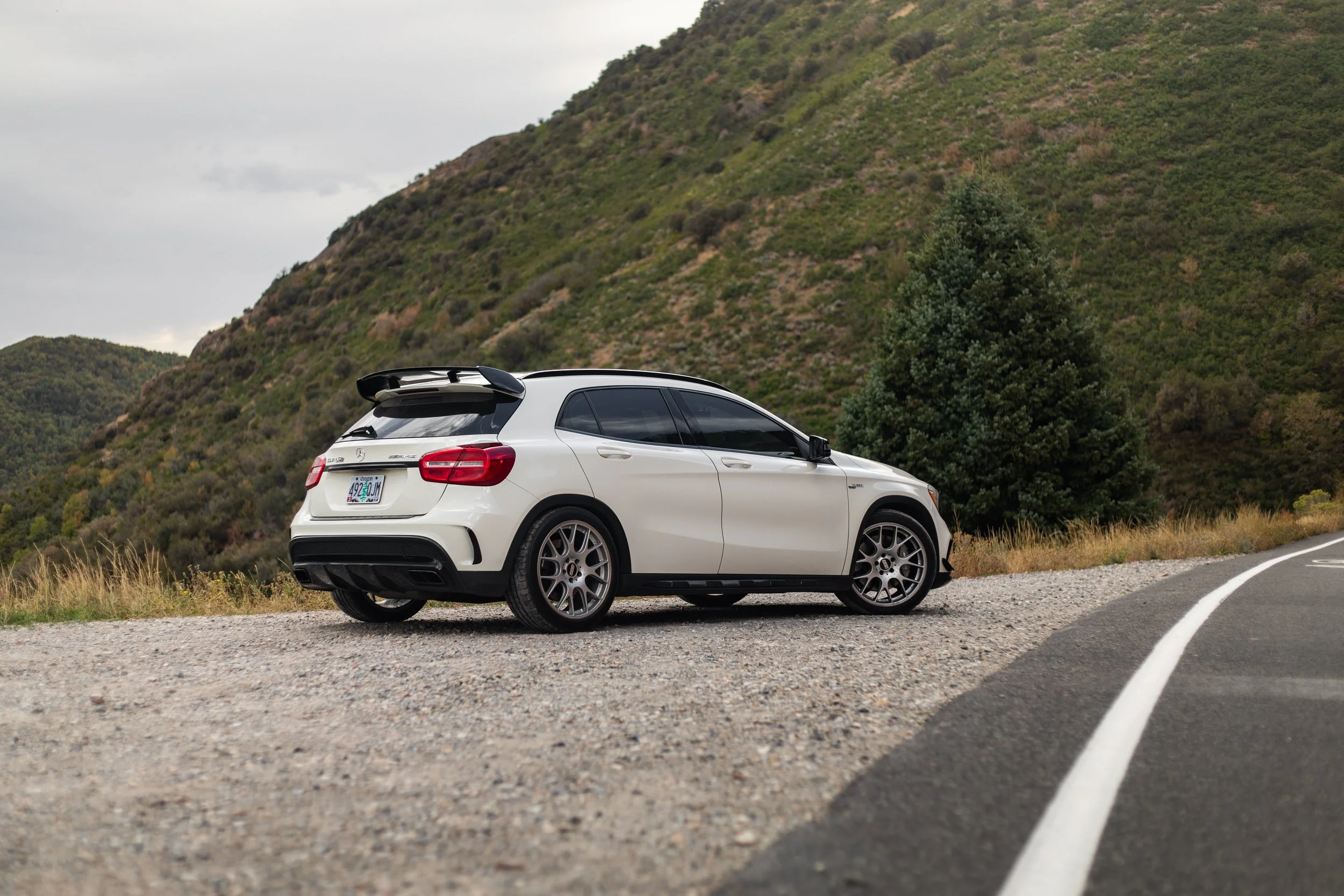
Hopping into the specs, the car comes equipped with a 2.0 Turbo inline-4 cylinder putting out 355 horsepower at 6,000 rpm, and 332 lb.-ft. of torque from 2,250-5,000 rpm at the crankshaft. This car however, makes more than that. This particular GLA45 got some extra help from a Pure 550 Hybrid Turbo, Eurocharged ECU Tune, AMS Cold Air Intake, and a CTS 3” Downpipe. All of those together, the car makes around 400 horsepower at all four wheels. With this same setup, but including larger fuel injectors and a more aggressive tune, the car can comfortably sit around 500 horsepower at the wheels, and I think that’s just swell. I never found myself wanting for more power, but knowing that it can do that is a peace of mind worth having.
All that horsepower hits the ground (and your backside) through a Front-Wheel-Drive based All-Wheel-Drive system, which is variable to the point of up to 50% of the power being delivered to the rear wheels. Going into this review, my main concern was “Is this going to feel like a Golf R?” And I can confidently say that it doesn’t. The tail actually wants to come around and say hello, but never in an intrusive way. The handling is quite neutral, and only begins to shove when it’s being pushed to a legitimate 8-9/10ths.
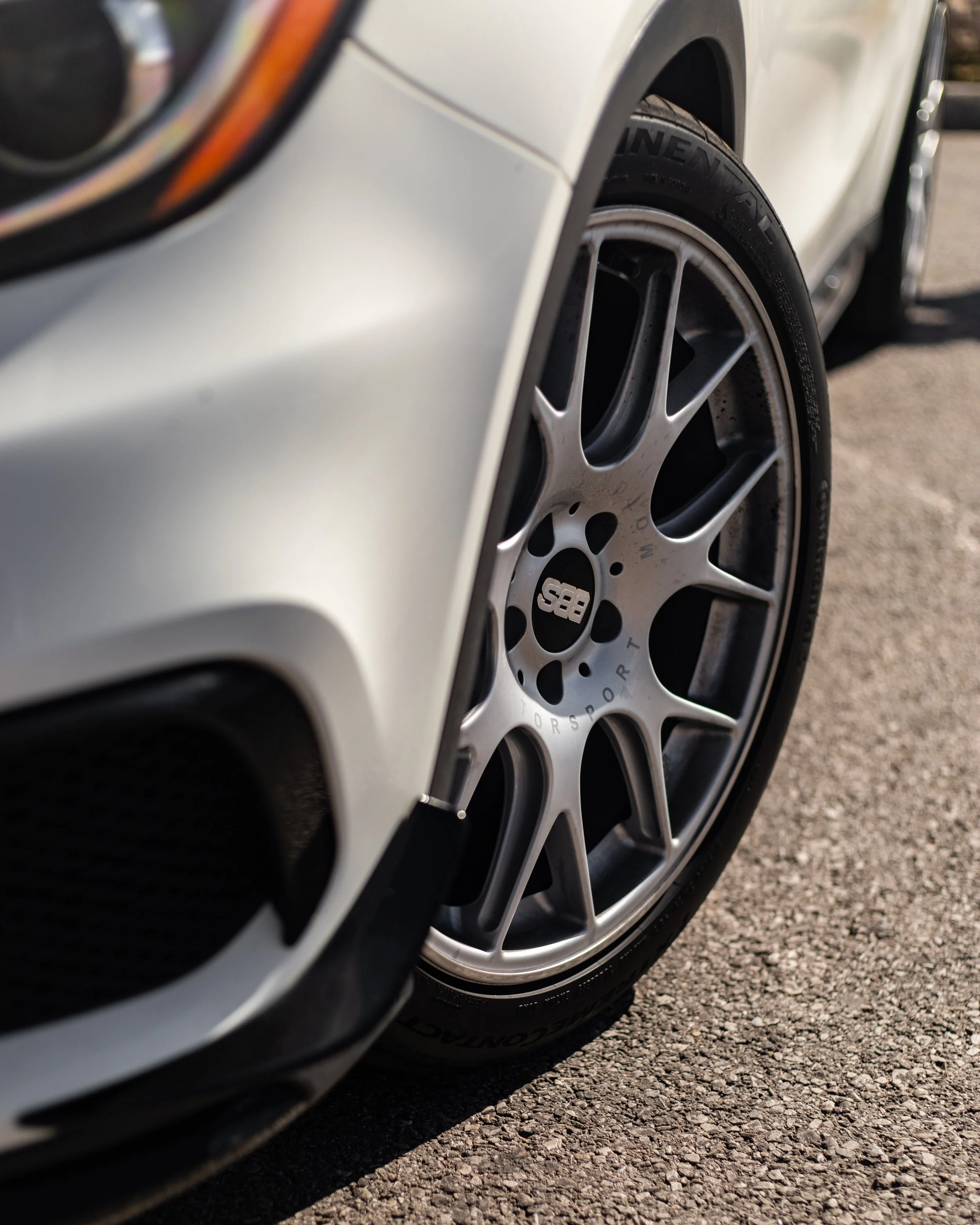
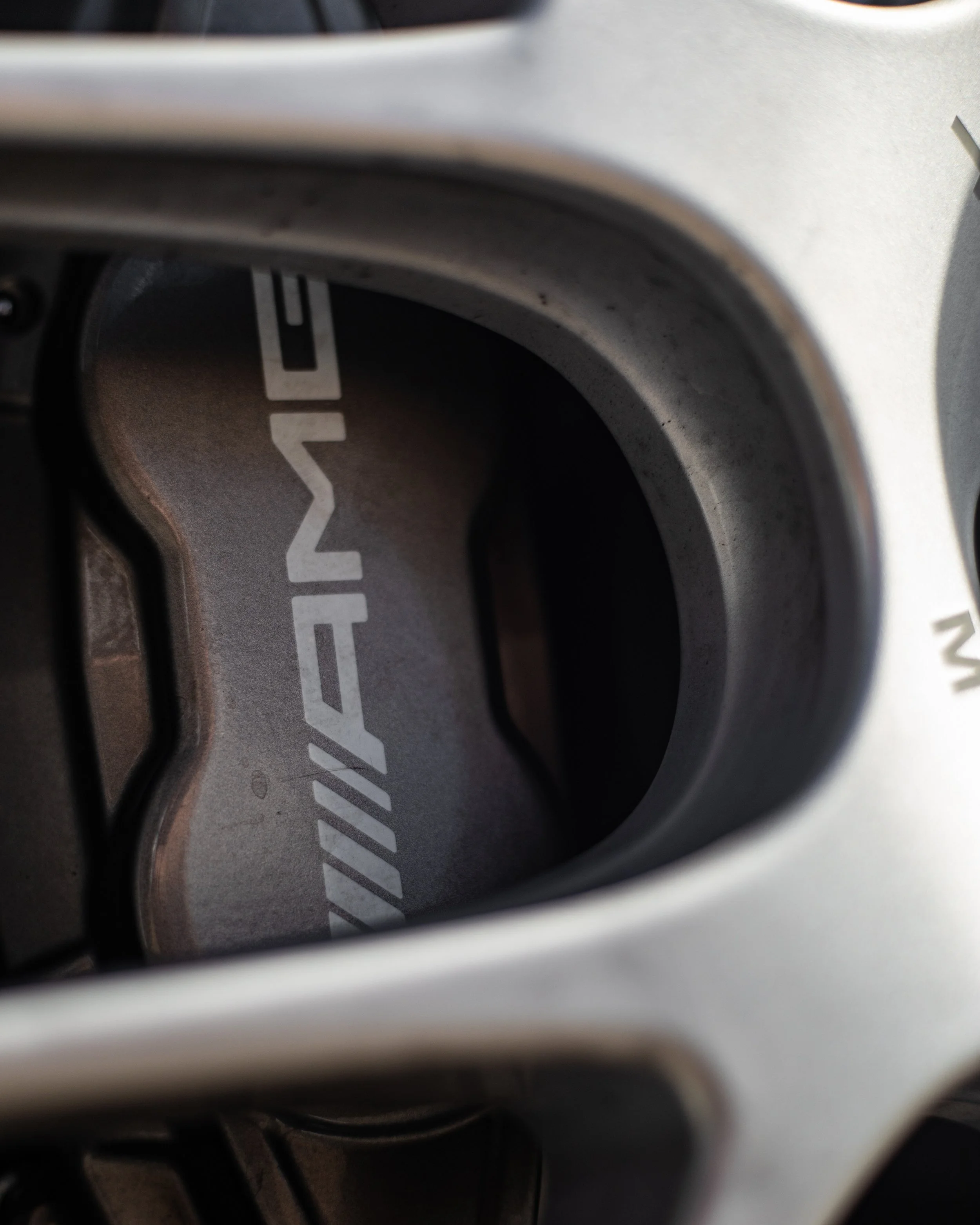
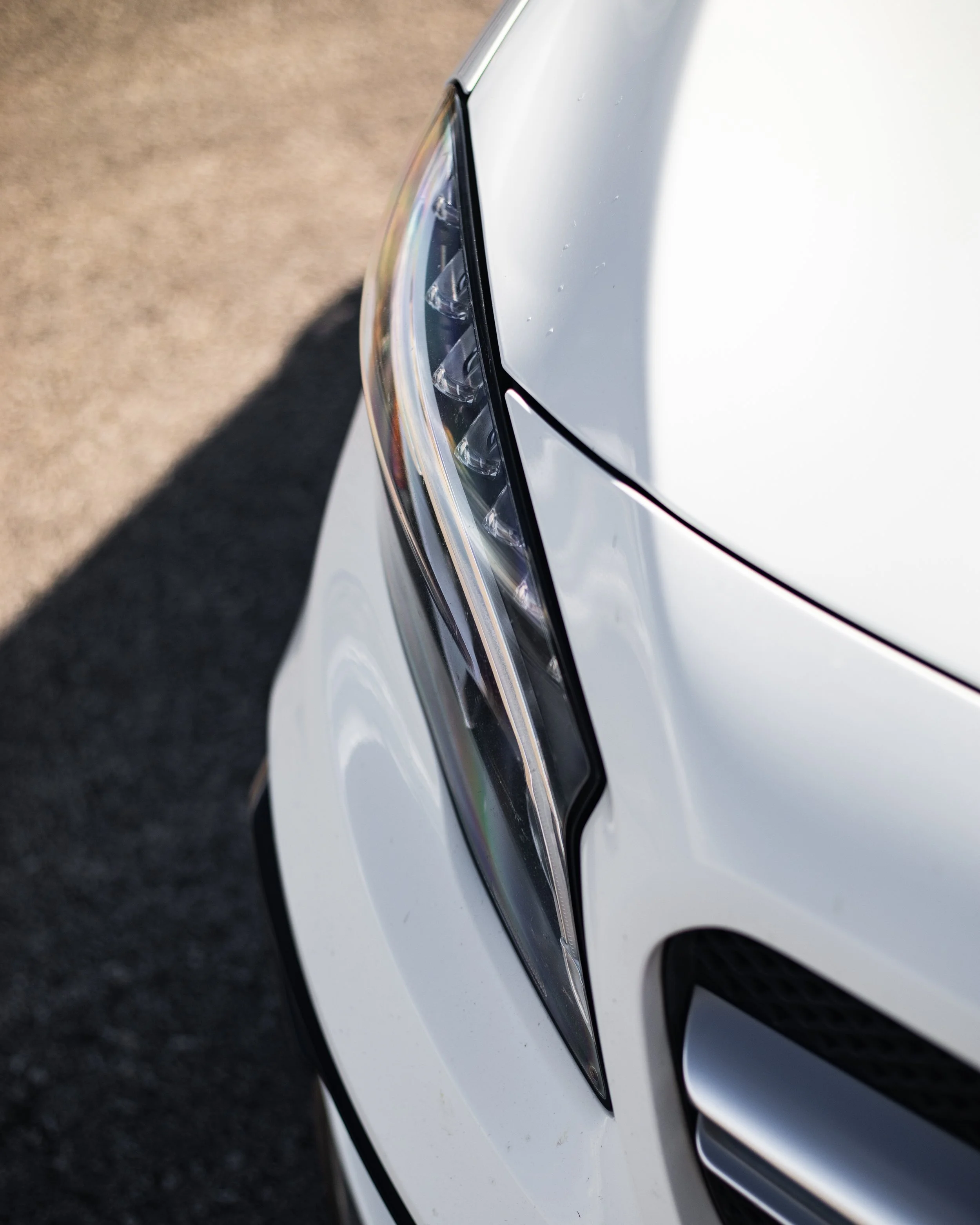
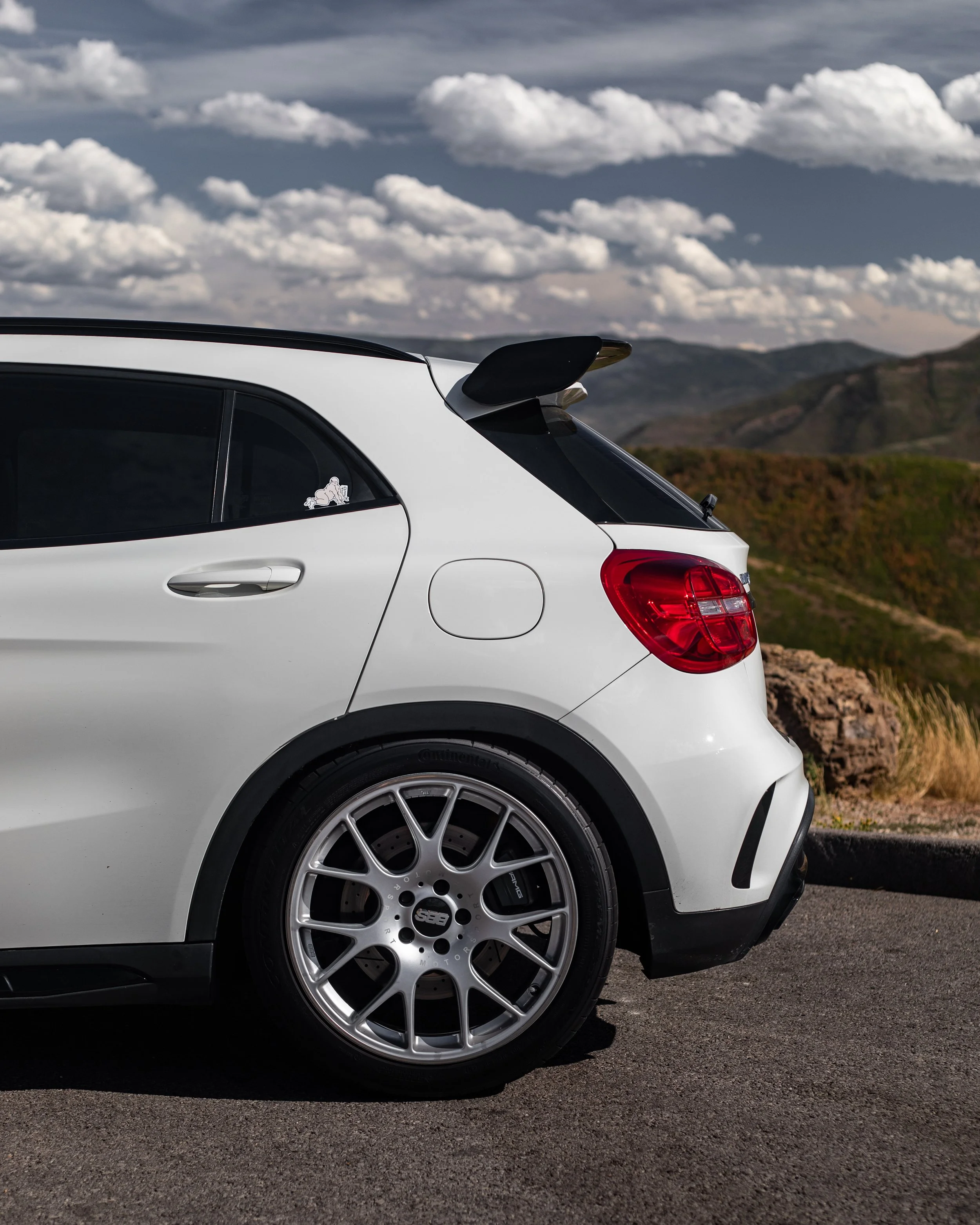
Handling upgrades are brought to you by way of Bilstein with the Sport Shocks, and H&R with the Sport Springs. Whatever the two companies did to their rates of compression and rebound were just correct. The suspension isn’t adjustable in any kind of sporty and dynamic way, but the car loads up nicely in corners, and also simultaneously irons out micro-jitters in the road felt by other cars. Even when driving on regular surface streets, the car feels sporty and informative, but is never throwing information in your face. It strikes quite a lovely sweet spot for a sporty daily driver.
While the steering is direct, and goes where you point the car, the rack was a little slow for the tightest and most squiggly of canyon roads. When the corners open up a little bit, and the speeds climb higher and higher, the car starts to settle into its own element. If you’re hard-core enough to run the tightest and most squiggly of canyons most weekends, or are exceptionally critical, this may not be the car for you. If you prioritize steering and chassis feedback, and this is your only car, you may feel yourself wanting a little more. On the flipside, that feeling is quickly mitigated with a firm stabbing of the right foot upon corner apex.
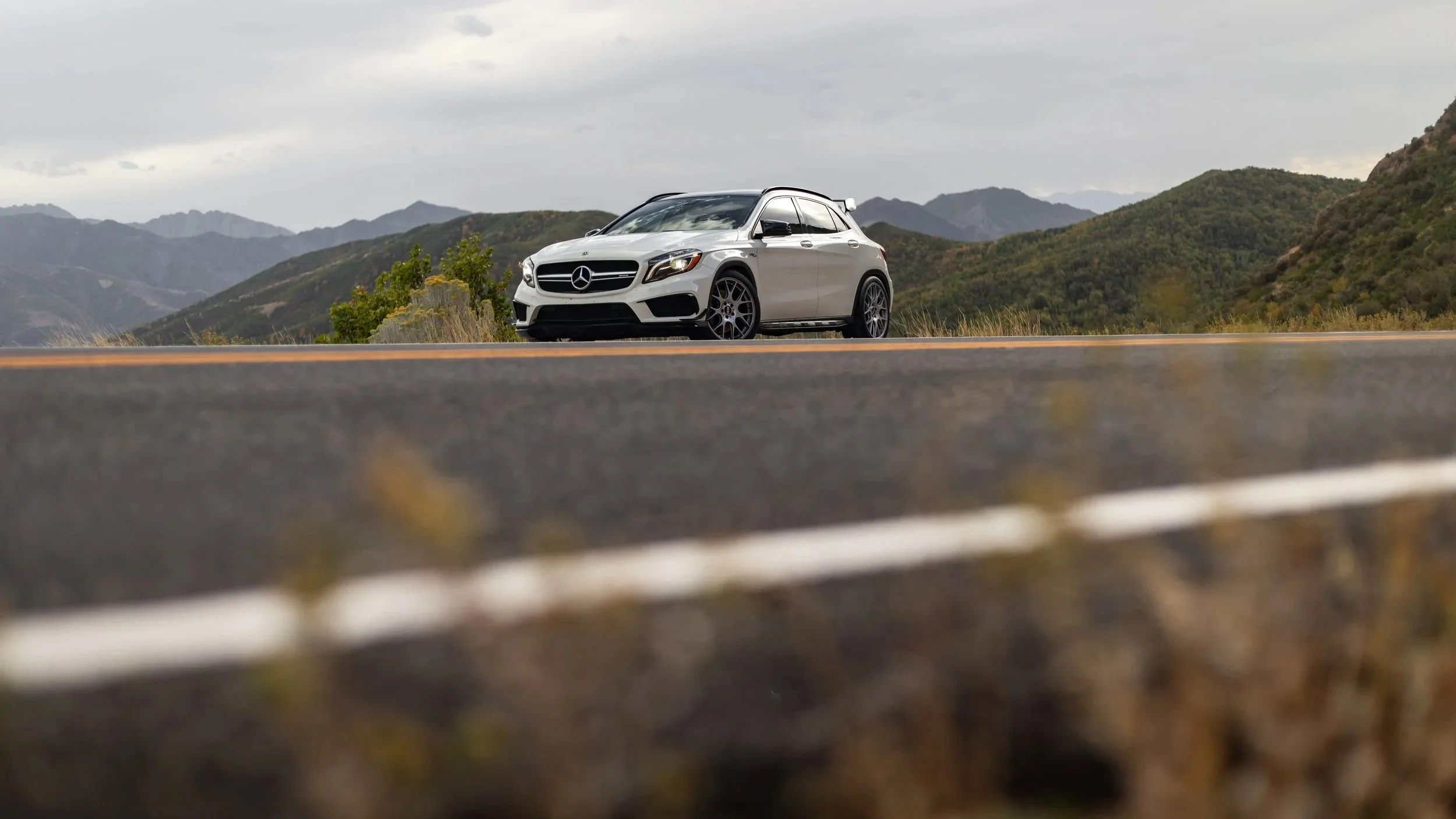
The transmission…. Oh the 7-Speed Dual Clutch gearbox from 2015 that feels like it’s from 2003. When cold it’s not a happy camper, riding the clutches with zero regard for mechanical sympathy. If I rode my clutch that hard pulling out of a parking space, or taking off from a light, I’d be red faced with complete and total embarrassment. After all of the temperatures rise to their predetermined “happy place”, the transmission shifts just fine. My suspicion is that the system is perhaps missing a temperature sensor for the fluid to run into the TCU to tell it how to shift. I feel like there is a core metric that is missing, and that may just come down to the gearbox being somewhat rudimentary compared to what we have come to know and love in modern DCTs.
With the discussion of the upgraded turbo, and other modifications in general, it can be difficult to discern what the actual differences of the mods have been done to create the final product of the end result. Especially when it’s the first time driving a particular platform. So how is it? How is the car as an overall package? It’s fucking terrific. With the GLA45, you have the pleasure of combining a medium-large sized hatchback form factor with ample space in the trunk, a glass sunroof, a snarly and crackly exhaust, and a turbo that spools beyond 30 psi and explodes with a bombshell of power and torque north of 4,000 rpm.
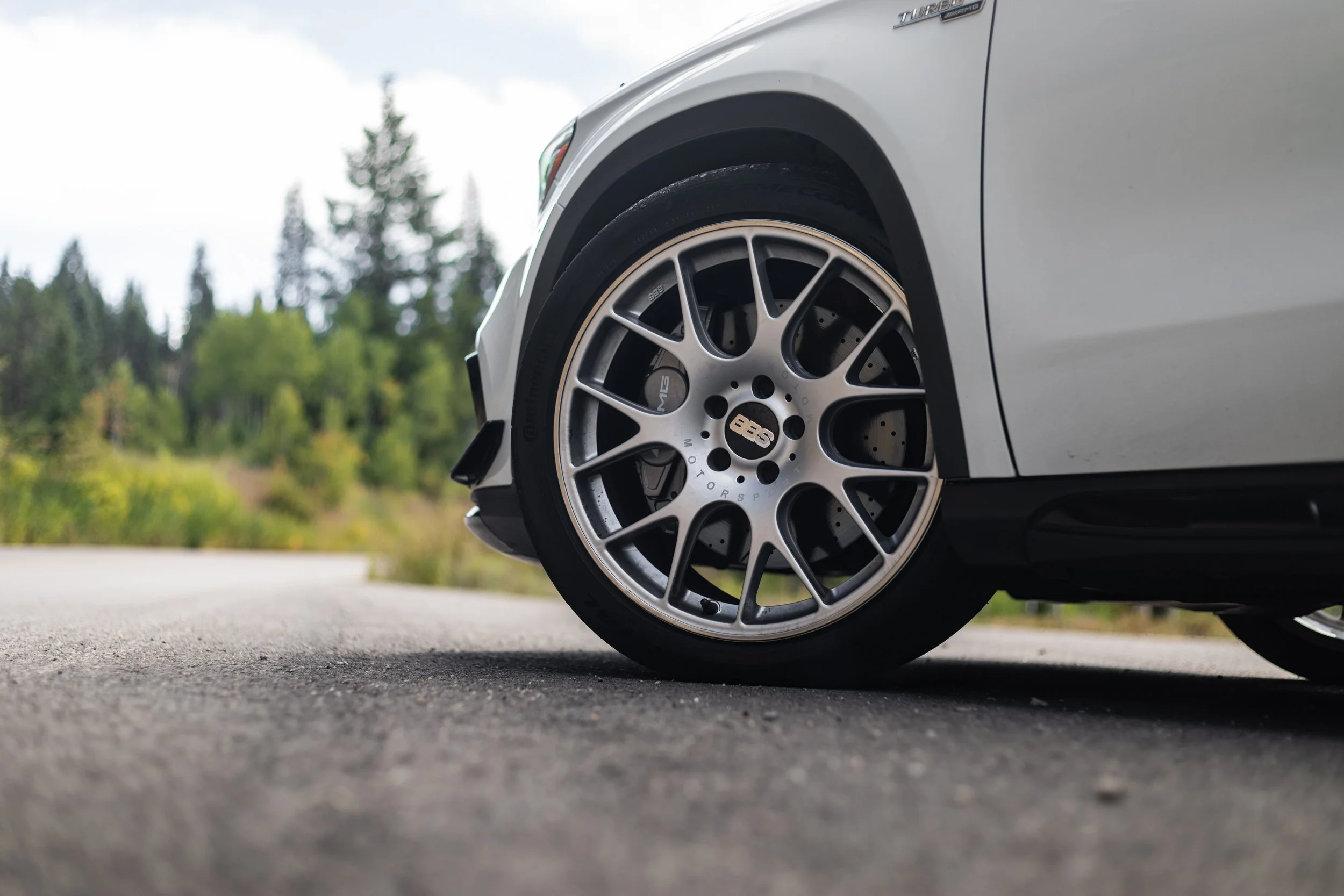
In the enthusiast space, the GLA45 is a criminally underrated car. Part of that reason is a fear of the well-documented reliability issues plagued by heavily depreciated German automobiles. And from a zoomed-out perspective, that is completely valid. “Hot-V” turbo V8s after 100,000 miles aren’t known to be stellar with reliability, naturally aspirated V8s from all three big German marques have their own crucial pitfalls as well with timing chains, connecting rod bearings, and also head studs. But with that said, the Mercedes M133 is known to be rather stout. Especially if you keep it relatively stock, or even build it to a reasonable specification. The car I had was at 83,000 miles and felt tight as a drum. The owner claims the real problem source of these cars is the rear differential, which if you have the car serviced at the dealer can run you thousands of dollars to fix. If you’re handy, and can find the proper parts online, the solution can be had for a mere fraction of that dealer cost.
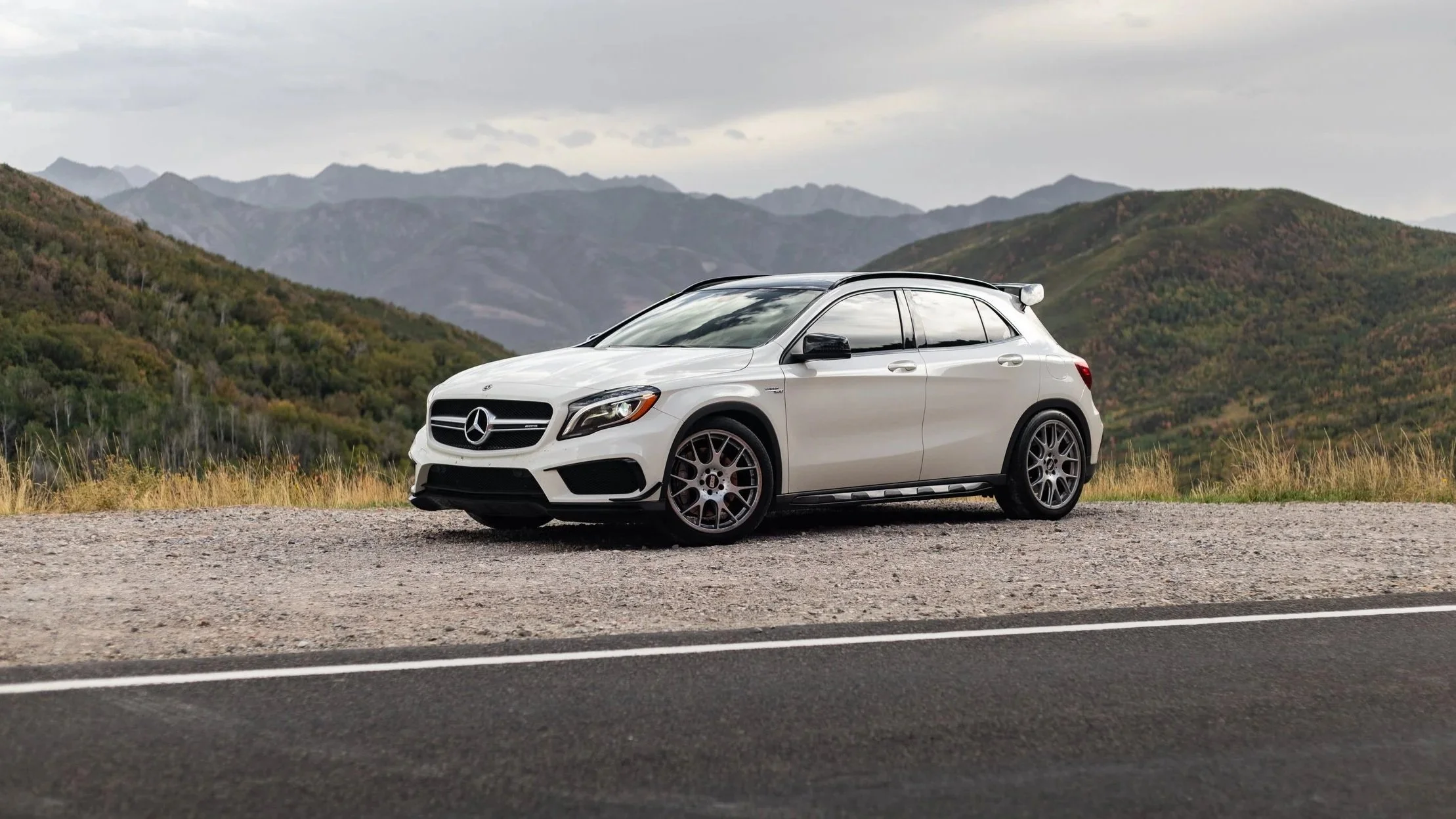
So what’s the verdict? Am I going to get a remote PPI done for a car across the country and drive it home the following week? Not yet. But I will be thinking about Grant’s car for sometime. And who knows… Maybe a situation will arise where he needs to move his car along, and I’ll be in a position to buy, but I’m not holding my breath. Until then, I’ll have a video to watch to reminisce on the time I had his car for a few days, and that will be enough. But if you have $15,000-$20,000 burning a hole in your pocket for a fun and capable daily driver that can take a beating up a canyon, and even serve some light track duty, but you’re bored of Golf Rs, it will serve you well. If you’ve spent a significant amount of time in small, buzzy and stiff hot hatches, and decide it’s time to “grow up a little” and get into something a little less “on its toes”, at the sacrifice of the upper limits of handling, the GLA45 is the move. Just make sure to get them while they are cheap enough and before they all get run into the ground. I hope I can time my transition properly.
A massive thank you to Grant for lending me his car for the better part of a week, and letting me have my way with it. The nearly 400 miles I put on the car were all filled with smiles and I can totally see it as a Fiesta ST replacement. After all, you may never quite know what the future holds for us.